



















At the end of the nineties, I was into photography. Influenced by the high-contrast black-and-white aesthetic of hardcore band covers like Discharge and Crass (among others), I began experimenting with infrared film and old photocopiers. That’s when I realized what I was really interested in was painting with the camera, a sort of analog Photoshop.
After several experiments, I achieved something: the images I created had a strong visual impact, the kind of photograph that doesn’t need much analysis, just like a Discharge song, the message came across directly and raw. Following the influence of Crass and all of Gee Vauchen’s militant urban guerrilla art practices, I understood that the purpose of my work was the street, not galleries. I started pasting my photos around the streets of Barcelona.
The work resonated immediately, it had an instant impact. Without realizing it, I was becoming one of the pioneers of Paste Up in Barcelona. That whole process made me fall in love with creating art in public spaces. Soon, I gave in to the spray cans and started developing my own style on walls and shutters.
From the beginning, I wasn’t a native graffiti artist, that distanced me from Wild Style, Hip Hop, and the whole New York aesthetic. At that time, I was immersed in my studies with entheogens and had just discovered Terence McKenna. I was starting to explore conspiracy theories, and IDM was at its peak. The 21st century really kicked off at full speed, a prelude to what would become the digital and Internet era.
I enjoyed an indescribable freedom, it was the last decade when living cheaply in Barcelona was still possible. I had swapped photography for painting, and spray cans cost next to nothing.
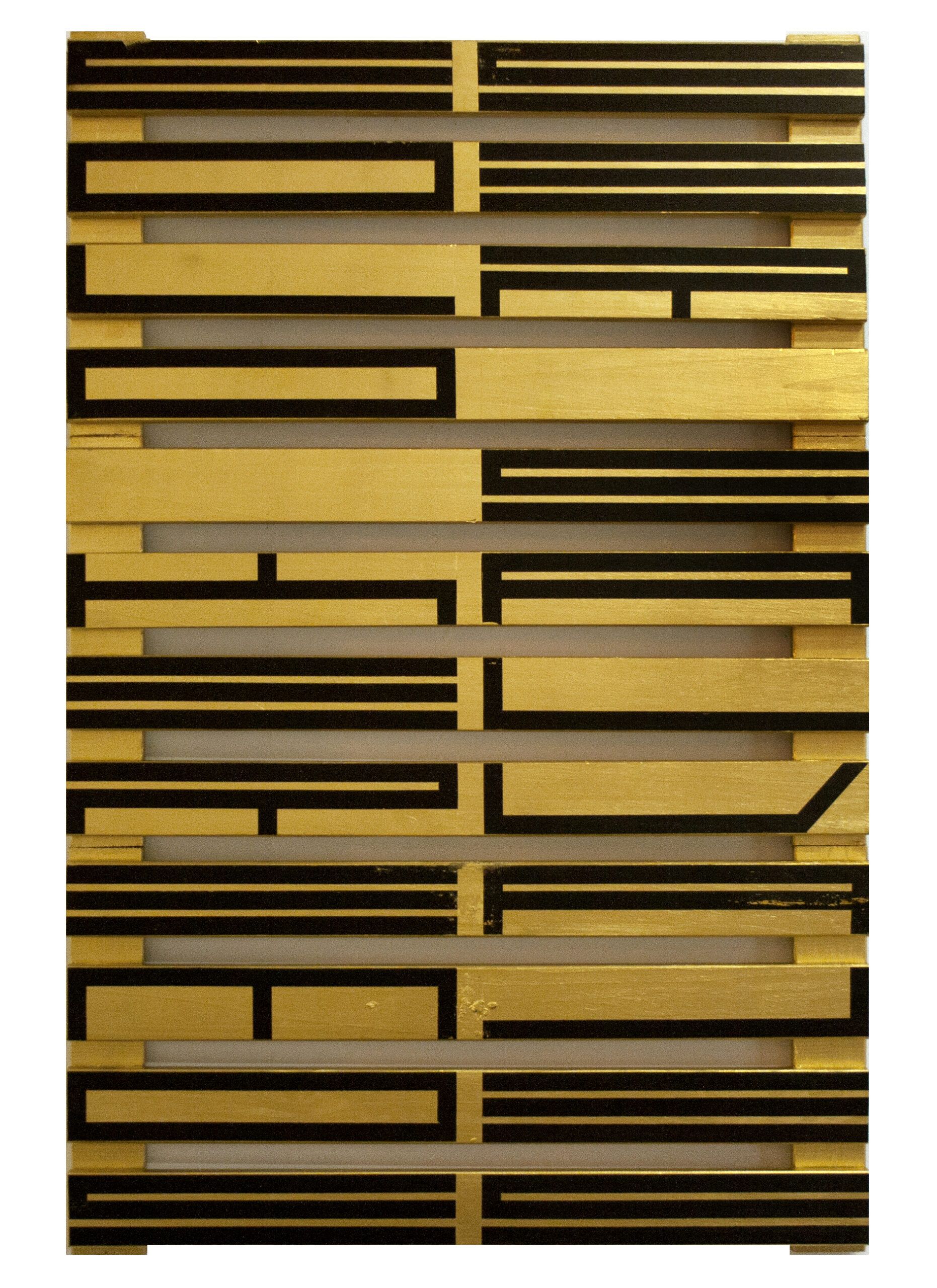
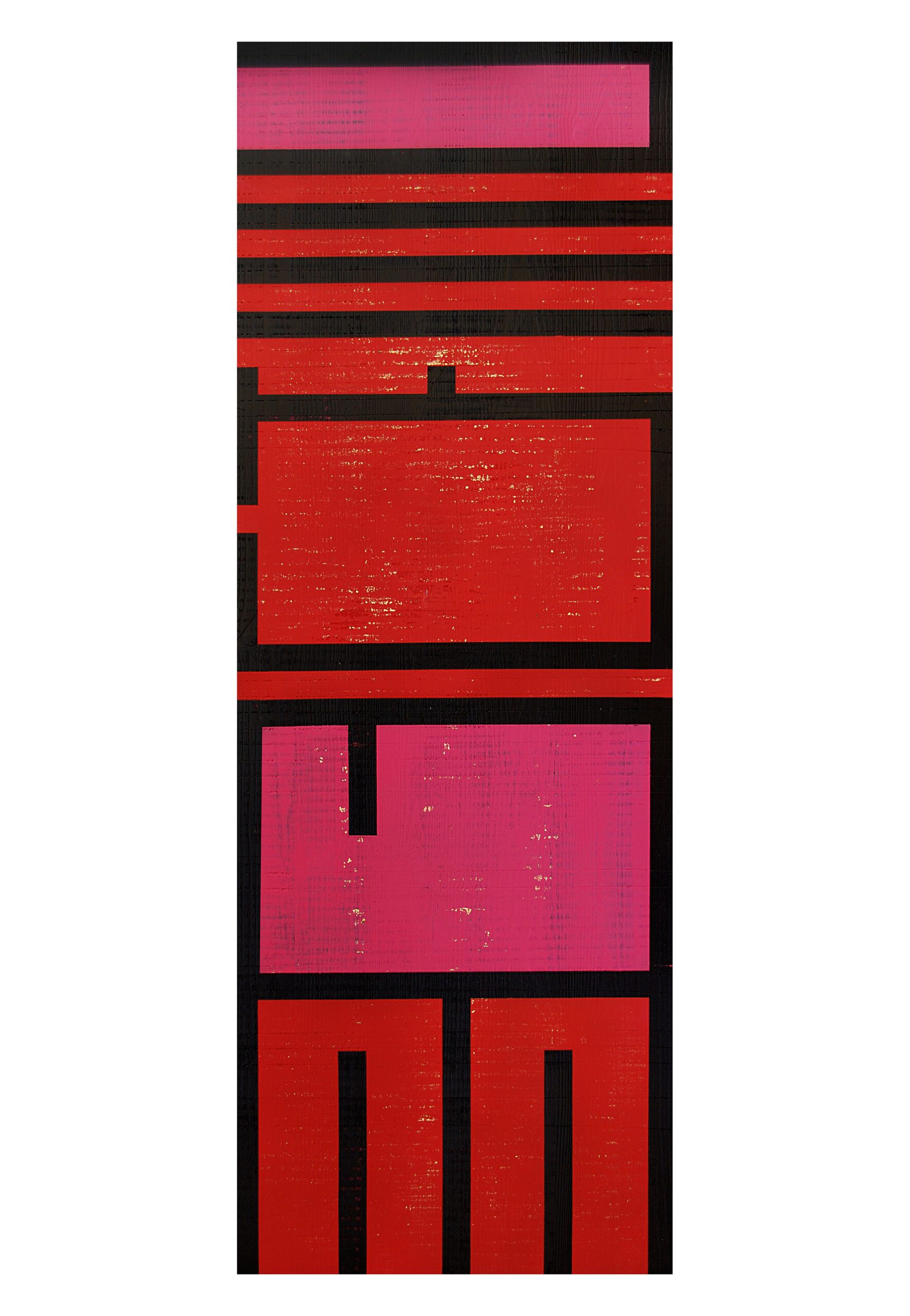
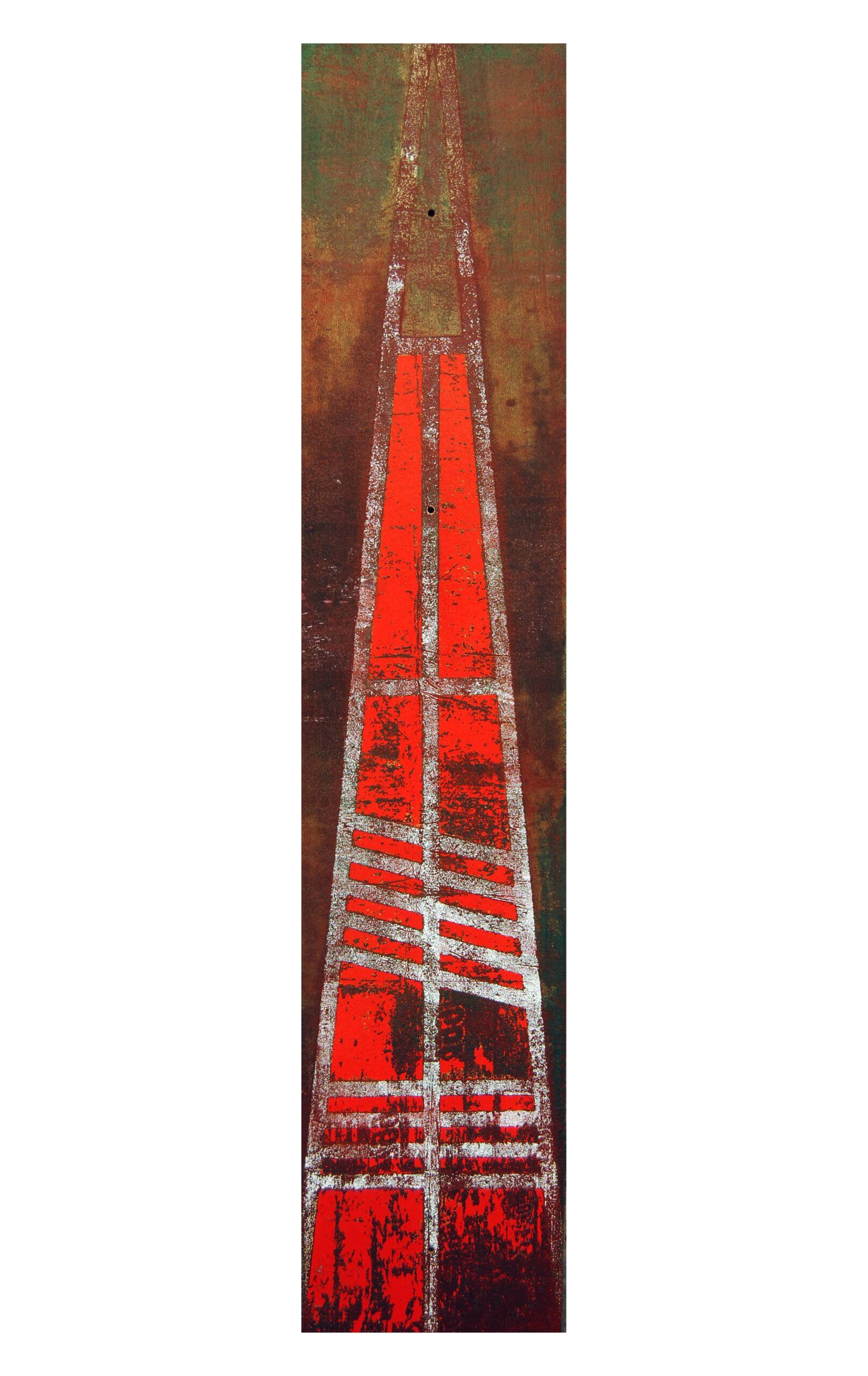
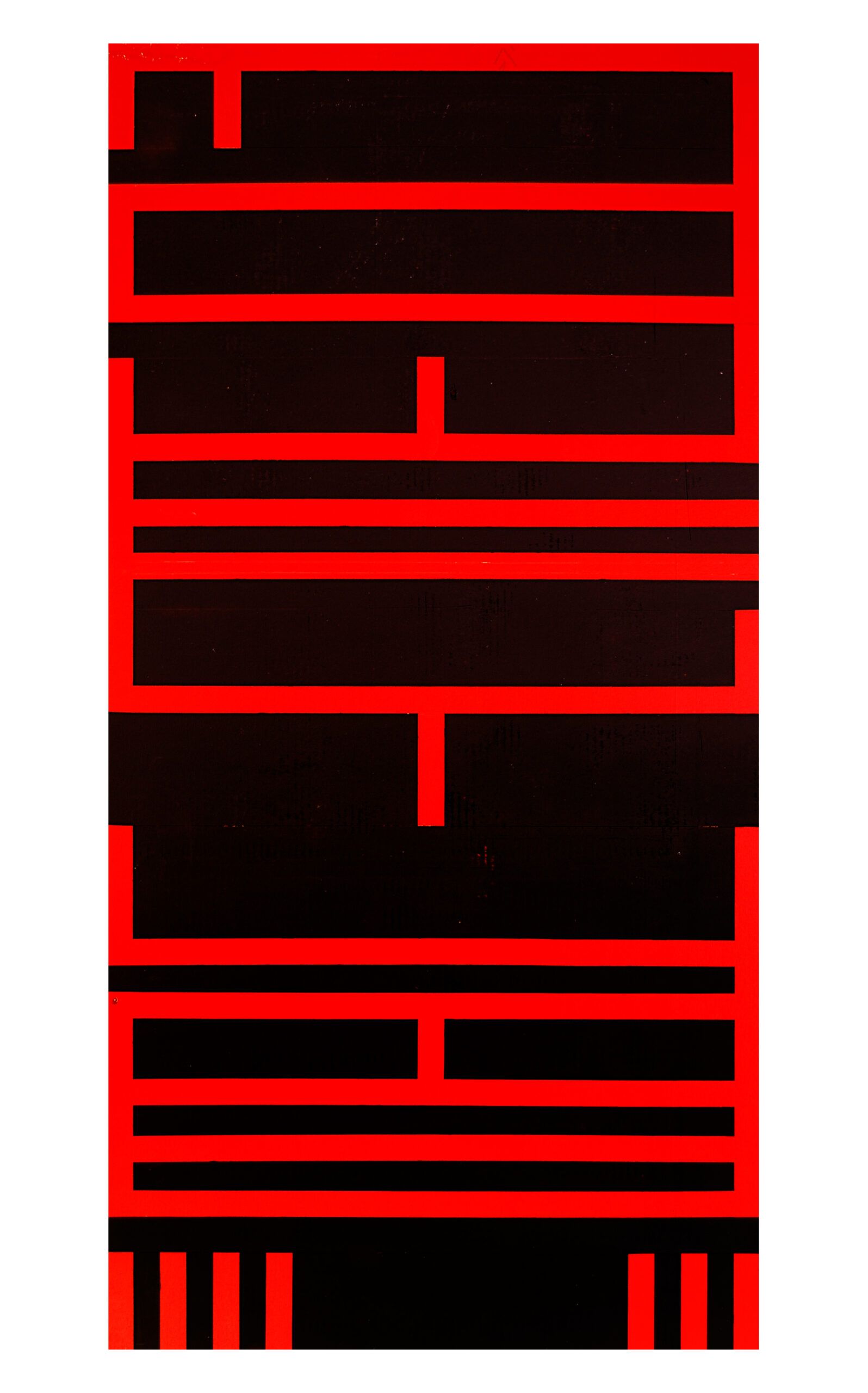
From the start, I was interested in geometry, and in street art, I was drawn to tags. So I combined tagging, hieroglyphics, and futurism to create a kind of meta-graffiti. Yes, I was writing, but in encrypted languages. The aesthetic was powerful but strange at the same time; at first, no one understood anything. I became an enigma.
Around that time, I moved to Bilbao, where I let my encrypted languages and symbolism run wild, I even did a series of interventions using Braille. I returned to Paste Up, but with a new aesthetic and a new artistic name.
I began painting compulsively, posters and stickers marked the cities, and in the first year, I went on a tour that took me to Barcelona, Bilbao, Córdoba, and Seville, spreading my art. Those were intense and wild days; painting in that semi-legal space is a delicious adventure.
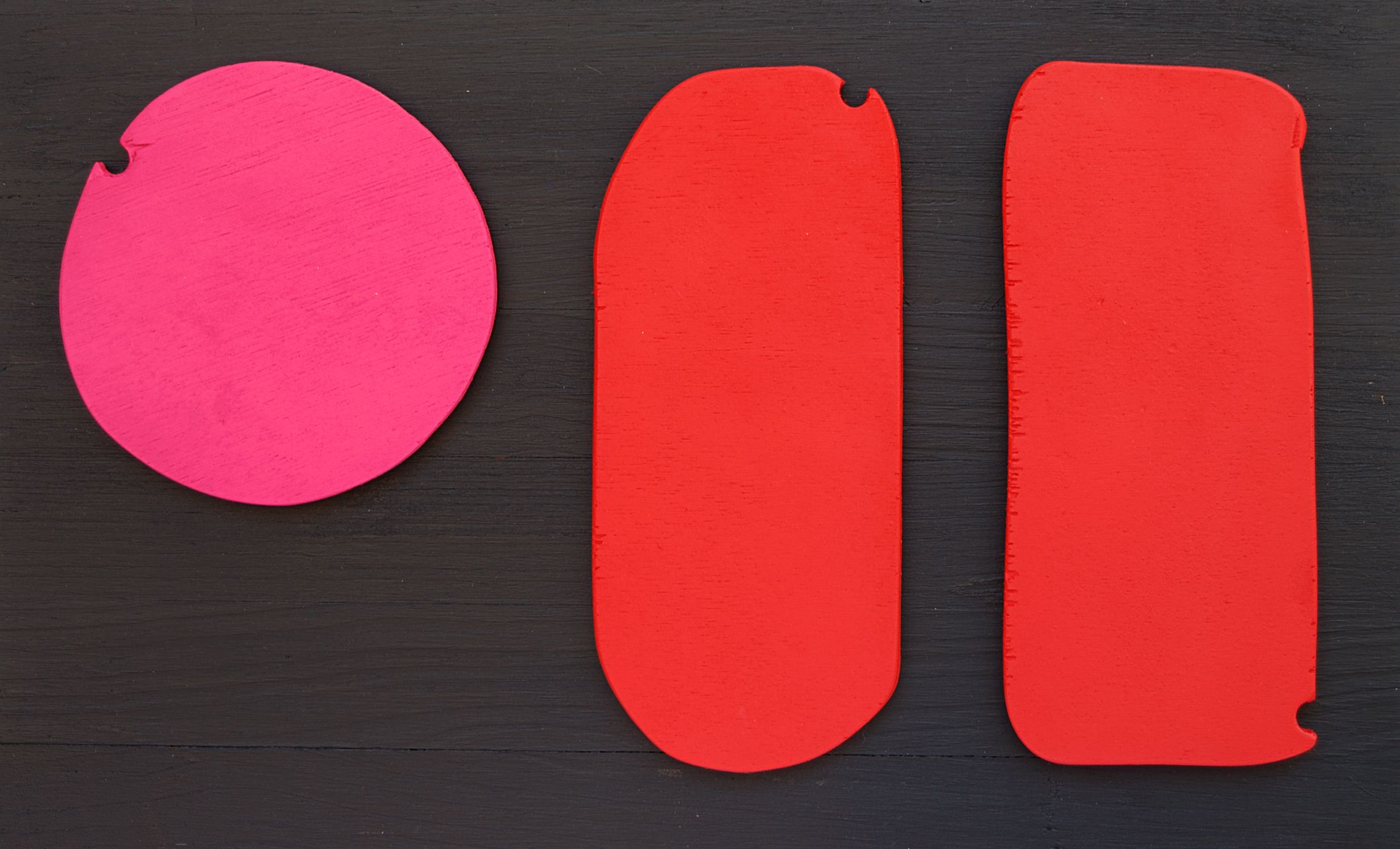
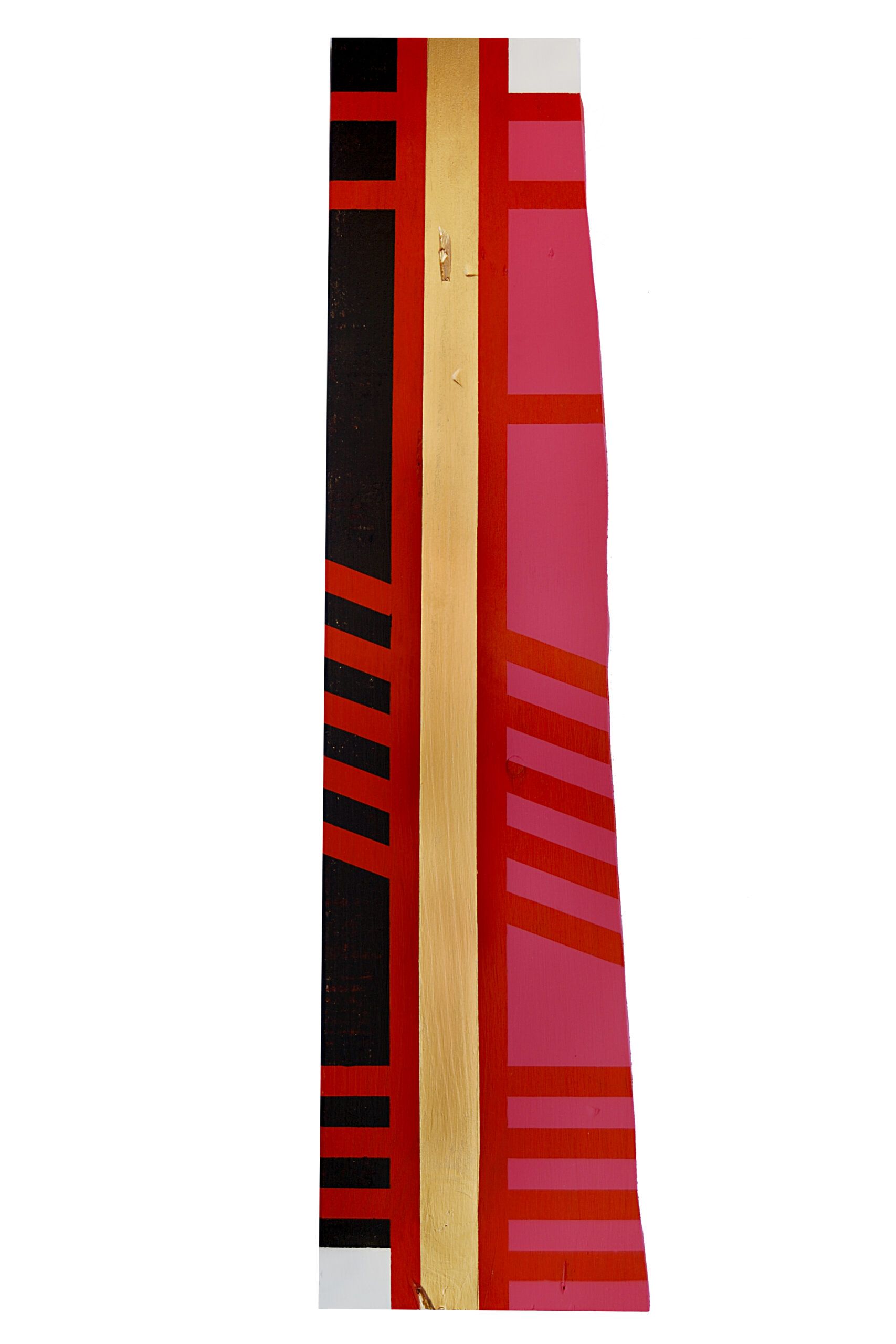
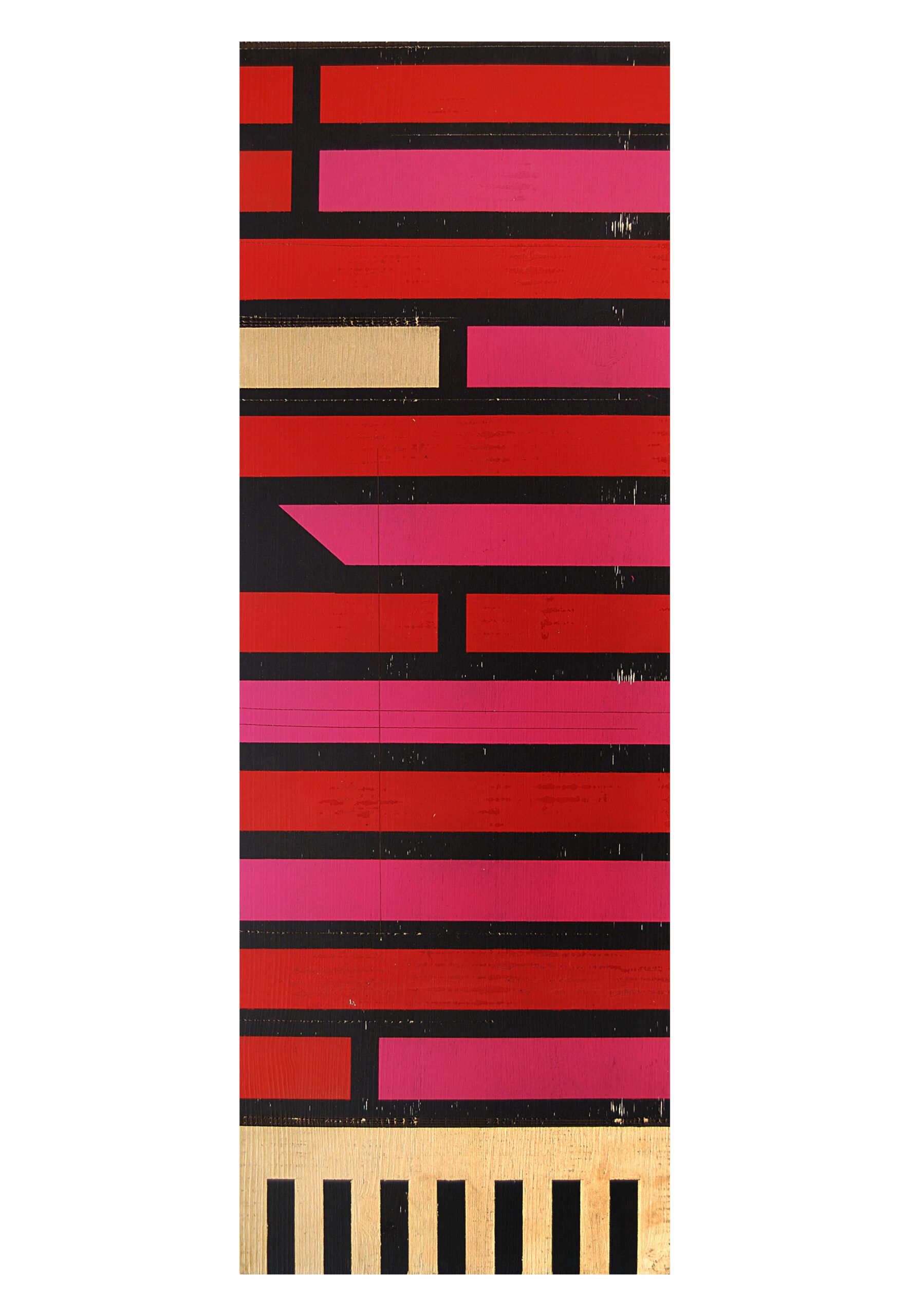
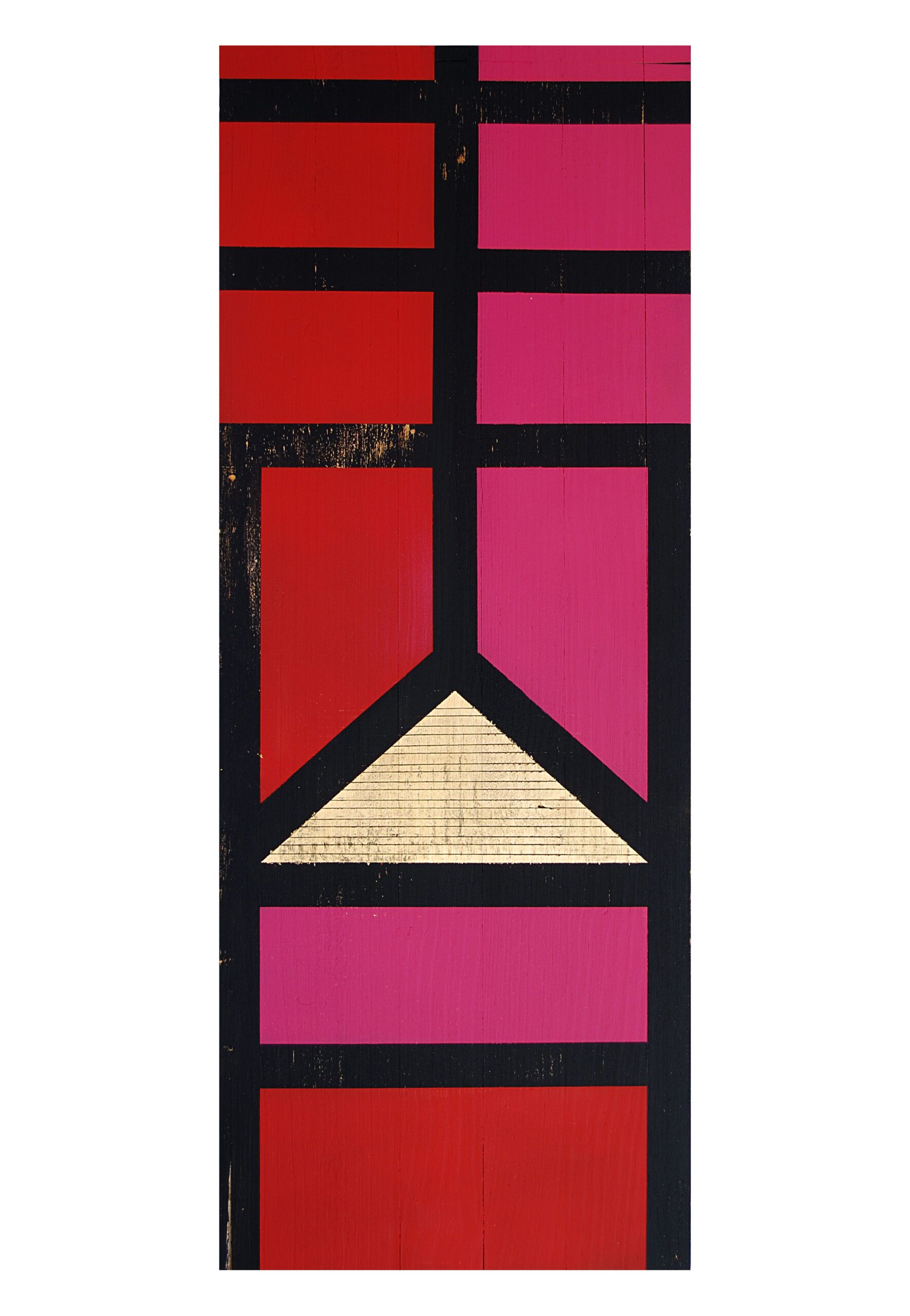
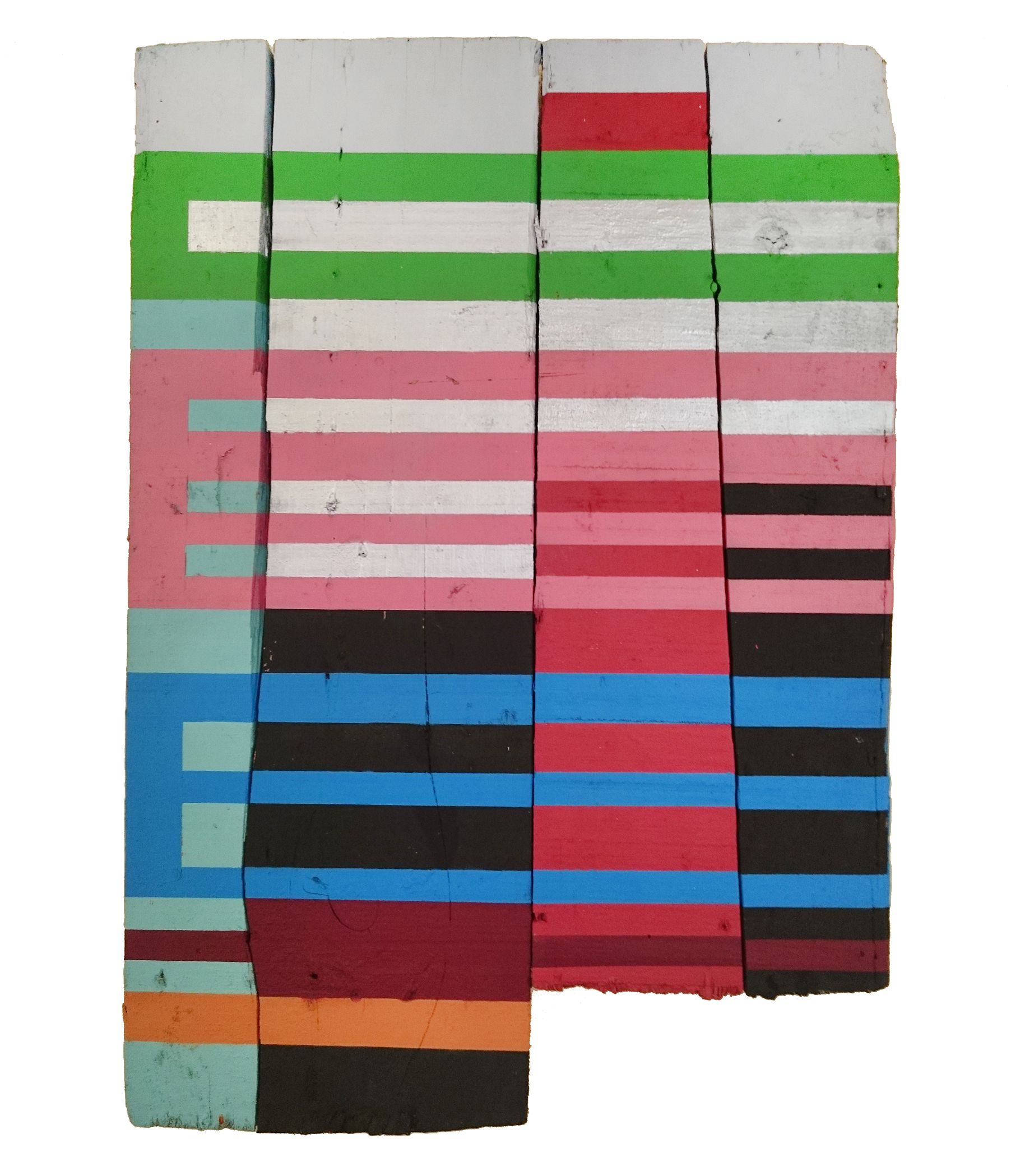
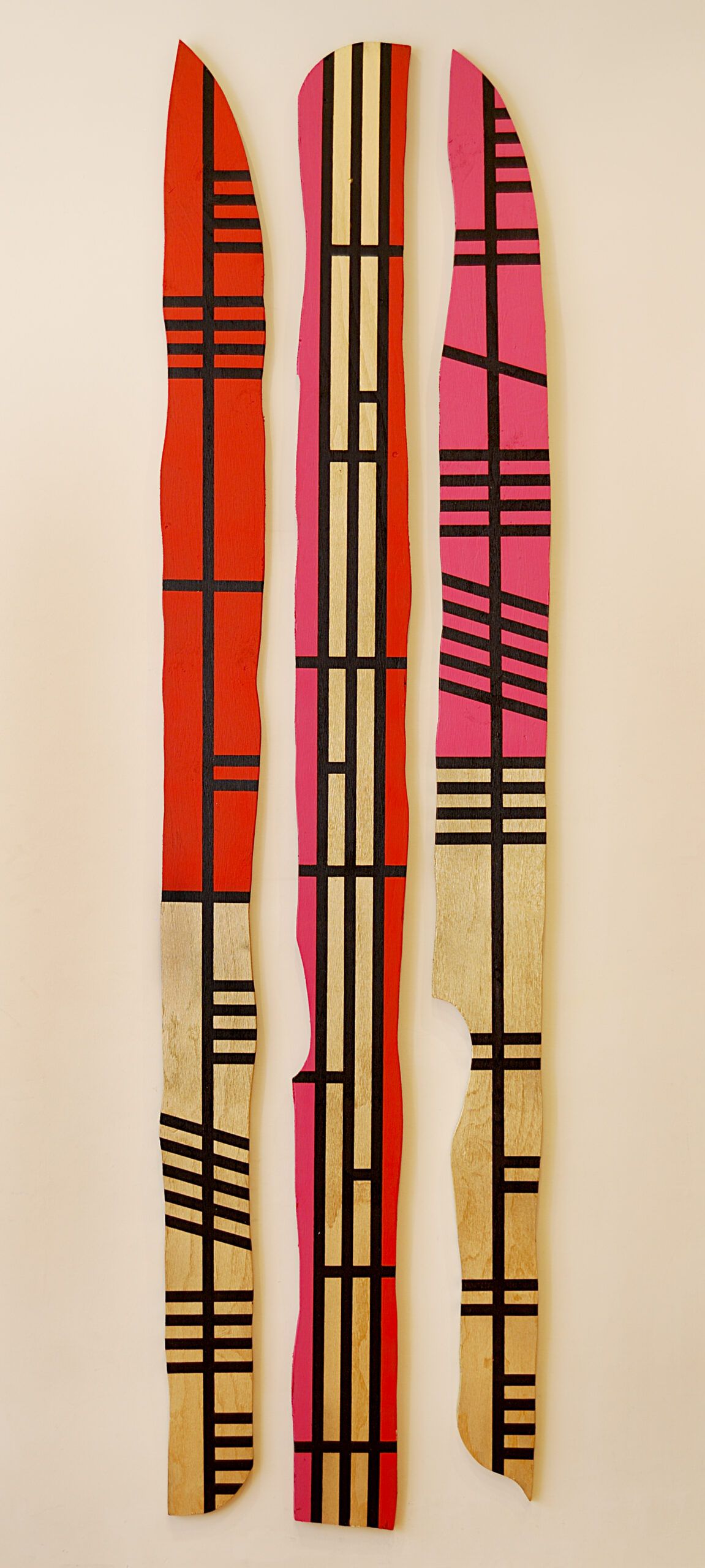
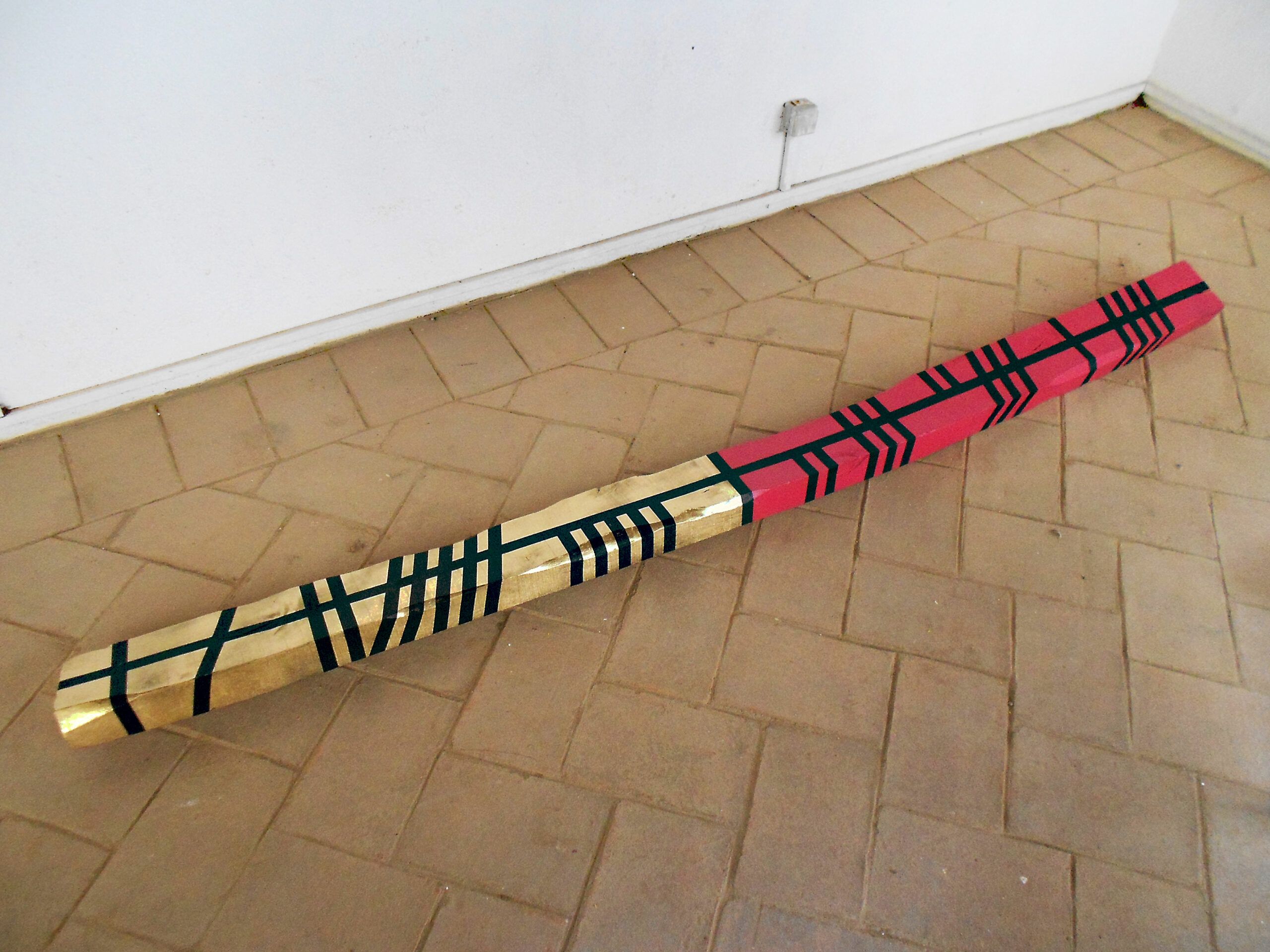
Through murals, I began exhibiting in galleries and museums. I painted my pieces on wood I found in the streets, and in that way, through murals, exhibitions, travels, and countless adventures, four intense years went by.
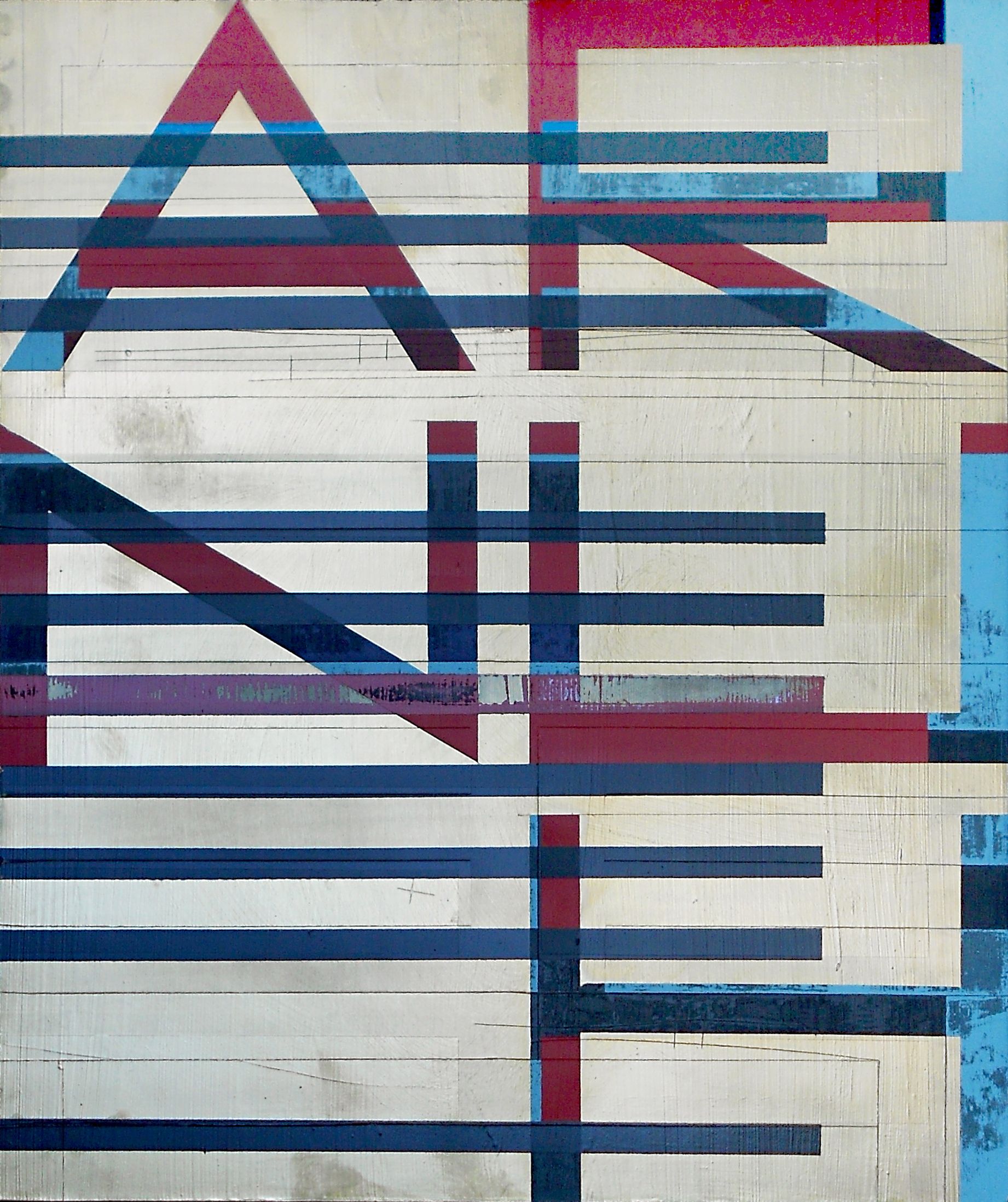
After years in street art, I realized I wanted to explore new things, while at the same time, urban art was becoming professionalized at a dizzying pace. Eventually, the work itself led me somewhere else. On one hand, my murals were gaining scale, structure, and a broader language, until I no longer saw them as urban art, but rather as muralism. And my paintings found in abstract art the right language.
Life changes, and sometimes it’s dizzying to look back, so much happened… The truth is, every stage was a teacher.
A finales de los noventa me gustaba la fotografía, influenciado por la estética en blanco y negro saturado de las portadas de bandas hardcore como Discharge y Crass (entre otras), empecé a experimentar con carretes de infrarrojo y fotocopiadoras antiguas. Fue entonces que me di cuenta, de lo que realmente me interesaba era pintar con la cámara, una especie de Photoshop analógico.
Después de varios experimentos logré algo, las imágenes que creaba tenían un gran impacto visual, el tipo de foto que no necesitas mucho tiempo de análisis, al igual que una canción de Discharge, el mensaje se transmitía de manera directa y cruda. Siguiendo las influencias de Crass y toda la militancia de Gee Vauchen en sus procesos artísticos de guerrilla urbana, entendí que el fin de mis obras era la calle y no las galerías, empecé a encolar mis fotos por las calles de Barcelona.
La obra funcionó muy bien y tuvo repercusión inmediata, estaba siendo pionero del Paste Up en Barcelona sin saberlo. Todo este proceso hizo que me enamorara de crear arte en espacio público, pronto sucumbí a los sprays y empecé a desarrollar un estilo propio en los muros y persianas.
Desde el principio no fui un artista nativo del graffiti, esto me alejaba del Wild Style, del Hip Hop y de toda la estética de New York. En aquel entonces estaba sumergido en mis estudios con los enteógenos y acababa de conocer a Terence McKenna, recién empezaba a conocer las teorías de conspiración y el IDM estaba en su momento álgido. Realmente el siglo XXI comenzó a tope, un preludio de lo que vendría a ser la era digital e Internet.
Gozaba de una libertad indescriptible, fue la última década en que se podía vivir barato en Barcelona, había cambiado las fotografías por pintura y los sprays costaban muy poco.
Desde un inicio me interesó la geometría, y en el street art me fijaba en los tags, entonces junté el tag, los jeroglíficos y el futurismo para desarrollar una especie de meta graffiti, sí escribía, pero con lenguajes encriptados. La estética era muy potente, pero extraña a la vez, en un principio nadie entendió nada, me convertí en un enigma.
Por aquel entonces me mudé a Bilbao y allí di rienda suelta a los lenguajes encriptados, el simbolismo e incluso hice una serie de intervenciones con el Braille. Volví al Paste Up pero con una nueva estética y un nuevo nombre artístico.
Empecé a pintar compulsivamente, posters y adhesivos marcaban las ciudades y en el primer año hice una gira que me llevó a Barcelona, Bilbao, Córdoba y Sevilla esparciendo mi arte. Fueron días intensos y salvajes, pintar alegal es una aventura deliciosa.
A través de los murales empecé a exponer en galerías y museos, pintaba mis cuadros en maderas que encontraba por la calle, y así, entre murales, expos, viajes y un montón de aventuras transcurrieron cuatro intensos años.
Después de años de street art me di cuenta que quería experimentar cosas nuevas y a la vez el arte urbano se profesionalizaba a un ritmo de vértigo. Llegó el momento que la propia obra me llevó a otra parte. Por un lado, mis murales fueron ganando dimensión, estructura y un nuevo lenguaje más amplio hasta que ya no lo consideré arte urbano, más bien muralismo. Y mis cuadros encontraron en el arte abstracto el lenguaje adecuado.
La vida cambia y a veces da vértigo mirar atrás, pasaron tantas cosas… Lo cierto es que cada etapa es maestra.